HERBAL GARDEN
Vivek college of Ayurvedic Sciences & Hospital Bijnor UP
वंश
Classification
Synoyms
Vansha
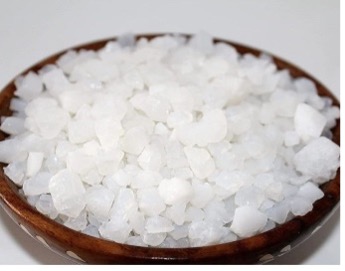
Banslochan (siliceous secretion)
Bamboosilica
Tvakksara (in classical texts)
Habit
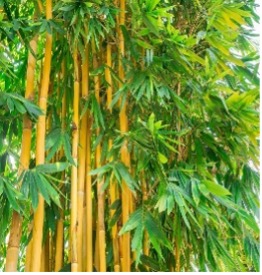
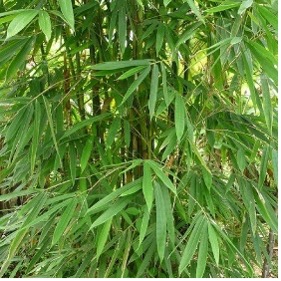
Tall, perennial, woody grass (bamboo)
Habitat
Commonly found in tropical and subtropical forests of India. Grows in hilly areas, riverbanks and plains.
Morphology
- Grows up to 10–30 meters tall
- Woody, jointed, hollow stems (culms) with nodes and internodes
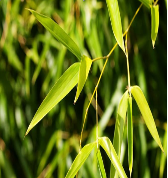
- Long, narrow, lanceolate leaves
- Produces flowers rarely; some species flower after decades
- Banslochan (a siliceous secretion) is collected from inner nodes
Chemical Composition
Silica (main component of Banslochan)
Potassium
Calcium
Iron
Flavonoids
Phenols
Oxalic acid
Tannins
Proteins
Starch
Essential amino acids
Guna-Karma
Rasa- Madhura, Kashaya
Guna- Laghu, Ruksha
Virya- Shita
Vipaka- Madhura
Karma- Balya, Rasayana, Shwasahara, Jwaraghna, Raktapittahara, Garbhaposhaka
Medicinal uses
Banslochan is used as a tonic in general debility, cough, cold and fever.
Effective in bleeding disorders, menorrhagia and hemoptysis.
Used in pediatric tonics and prenatal formulations.
Strengthens bones and promotes fetal development.
Useful in respiratory conditions like asthma, bronchitis.
Useful Part
Banslochan (siliceous secretion)
Leaves, Young shoots, Root, Resin
Doses
Banslochan powder: 500 mg – 2 g
Decoction (Kwath): 20–40 ml
Important Formulation
Sitopaladi Churna
Vanshlochanadi Churna
Bal Ghuti
Chandraprabha Vati
Shloka
वंशः शीतो लघुः स्वादुः स्वरदः पित्तनाशनः।
कासश्वासप्रशमनः श्लेष्मघ्नः परमार्दवः॥ (भावप्रकाश निघण्टु – तृणवर्ग)
Hindi Name
बांस
English Name
Thorny Bamboo / Indian Bamboo
Botanical Name
Bambusa arundinacea Retz.
Family
Poaceae