Vivek college of Ayurvedic Sciences & Hospital Bijnor UP
कचूर हल्दी
Classification
Synoyms
Karchura
Shati
Kachura
Kapoor Kachri
Dravanti
Habit
Perennial herb with underground rhizome.
Habitat
Found in tropical and subtropical regions, Widely cultivated in India, especially in eastern and southern states. Grows in moist, loamy soils with good drainage.
Morphology
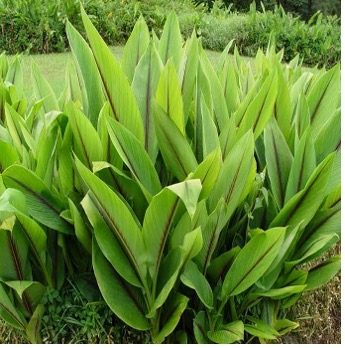
Grows up to 1 meter in height
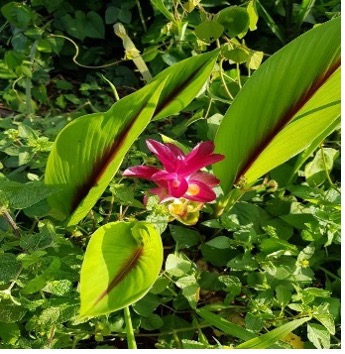
Long, lanceolate leaves with reddish midrib
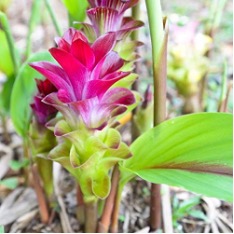
Flowers are pinkish or purple, emerging from a separate floral stalk
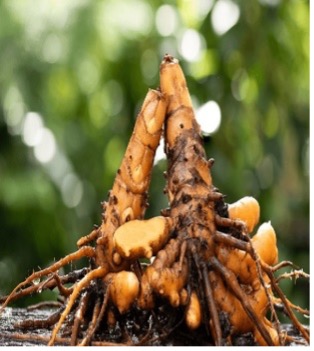
Rhizomes are large, aromatic, pale yellow to white inside, with a camphoraceous odor
Useful in digestive disorders, flatulence, loss of appetite.
Treats skin diseases, itching, and inflammation.
Effective in respiratory issues like cough and cold.
Used in wound healing and as an antiseptic.
Traditionally used in dental issues, menstrual pain, and joint pain.
Acts as a natural deodorant and complexion enhancer.
Useful Part
Rhizome
Doses
Powder: 1–3 g
Fresh paste: for external application
Juice: 5–10 ml